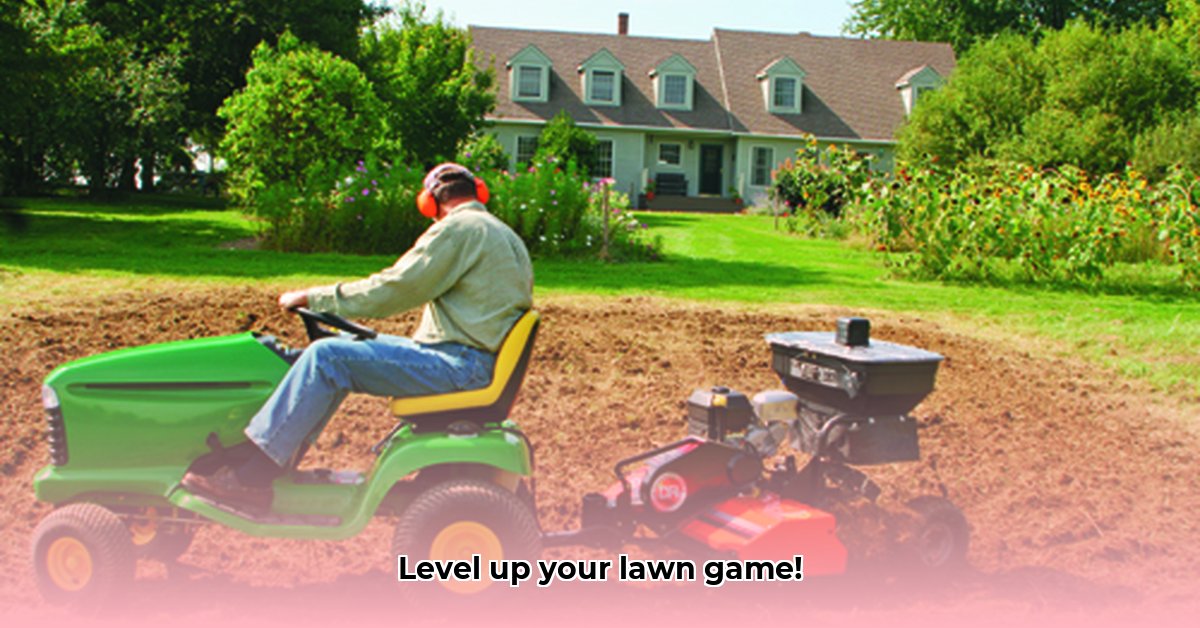
Choosing the right equipment for your garden or farm can significantly impact your success and efficiency. Lawn tractor tow-behind tillers and cultivators offer significant advantages, saving you time and labor. However, selecting the appropriate tool can be challenging. This comprehensive guide will empower you to make an informed decision, whether you're a seasoned farmer or a weekend gardener. We'll delve into the nuances of tillers versus cultivators, provide a step-by-step selection process, and discuss crucial maintenance and sustainability considerations. For more detailed tractor attachment options, check out this helpful resource: tractor attachments.
1. Assessing Your Needs: Tiller or Cultivator?
Before choosing a specific model, carefully evaluate your individual needs. Consider your plot size, soil type, and farming goals. A simple decision tree can help clarify which tool best suits your circumstances:
Decision Tree:
- Plot Size: Larger than a typical backyard? Proceed to Step 2A. Smaller? A hand cultivator may suffice. 2A. Soil Type: Primarily hard, compacted soil? Proceed to Step 3A. Primarily soft, loose soil? A cultivator might be more suitable. 3A. Budget & Tillage Depth: Limited budget and shallow tillage needed? Consider a cultivator. Larger budget and deep tillage needed? A tow-behind tiller is recommended.
This decision tree, while simplified, provides a valuable starting point. Remember, it's always better to slightly overestimate your power needs. Don't be afraid to seek advice from experienced gardeners or local agricultural experts.
2. Tiller vs. Cultivator: A Detailed Comparison
Tow-behind tillers and cultivators, while both attached to lawn tractors, serve distinct purposes. Understanding these differences is crucial for selecting the right tool.
| Feature | Tow-Behind Tiller | Tow-Behind Cultivator |
|---|---|---|
| Primary Function | Deep tillage, breaking up compacted soil | Light aeration, weeding, incorporating compost |
| Soil Impact | Significant soil disruption | Minimal soil disruption |
| Ideal Soil Type | Heavy clay, compacted soils | Lighter, well-drained soils |
| Power Requirements | Higher horsepower required | Lower horsepower required |
| Maintenance | More frequent maintenance and potential repairs | Generally less maintenance |
The choice between a tiller and a cultivator depends largely on your soil conditions and gardening goals. For establishing new garden beds or breaking up heavy clay, a tiller is indispensable. For maintaining existing beds or working with lighter soils, a cultivator offers a more gentle and sustainable approach. High-quality images and videos demonstrating these differences in action would enhance understanding (Note: Images and videos would be included in the published article).
3. Choosing the Right Model: Key Factors to Consider
Selecting the right model involves evaluating several key features. Prioritize durability, efficiency, and features that align with your specific needs.
Brand Reputation: Research brands known for reliable performance and customer support. Online reviews offer valuable insights into the long-term reliability and durability of different brands. A reputable brand often translates to better parts availability and extended lifespan.
Engine Type & Horsepower (HP): Gas-powered models generally offer more power, but electric options are quieter and more environmentally friendly. Select an engine size appropriate for your tractor and the size of your plot. Choosing more horsepower than needed can be wasteful and inefficient.
Tillage Depth Adjustment: Adjustable tillage depth is crucial, allowing you to adapt to varying soil conditions. Flexibility in tillage depth ensures you're not over-tilling or under-tilling, optimizing soil health and minimizing disruption.
Tine Type: Different tine types (e.g., L-shaped, bolo, and shovel) are designed for various soil types and tasks. Research the strengths and weaknesses of each type to choose the best fit for your specific soil conditions and needs.
Build Quality: A robust, well-constructed machine is vital for longevity. Carefully inspect the build quality and materials used to choose a tiller or cultivator that can withstand regular use and harsh conditions.
4. Maintenance and Safety: Prioritizing Long-Term Use
Regular maintenance is essential for the longevity and safe operation of your tiller or cultivator.
Maintenance Checklist:
- Pre-Use Inspection: Inspect for loose bolts, worn parts, fuel levels (gas models), or battery charge (electric models).
- Post-Use Cleaning: Remove all debris, sediment, and stones from the tines and machinery.
- Lubrication: Follow the manufacturer's lubrication recommendations. Proper lubrication prevents premature wear and tear.
- Sharp Tines: Replace bent or broken tines promptly to maintain efficiency and prevent damage.
- Storage: Store your equipment in a dry, protected area to prevent corrosion and damage.
Safety Precautions:
- Always wear safety glasses, gloves, and sturdy, closed-toe shoes.
- Never operate the equipment near children or pets.
- Follow all manufacturer's safety instructions.
5. Sustainability Considerations: Environmental Impact
Sustainable agriculture considers the long-term effects on the environment. Deep tilling, while effective, can damage soil structure and harm beneficial microorganisms.
- Minimize Tilling: Explore no-till or reduced-till farming practices to enhance soil health and reduce your environmental impact.
- Fuel Efficiency: Choose fuel-efficient models and optimize your tilling technique to minimize fuel consumption.
- Material Durability: Opt for durable, long-lasting materials to decrease the need for frequent replacements and reduce waste.
- Responsible Disposal: Recycle or dispose of old parts correctly at the end of the equipment’s lifespan.
This guide aims to equip you with the knowledge and tools to make an informed decision. By matching your needs to the right equipment and adhering to maintenance and safety practices, you'll ensure a durable, efficient, and sustainable approach to your garden or farm. Remember to consult with local agricultural extension services or experienced farmers for tailored advice specific to your region and soil type.